High-Low Wardrobe Blending: Outfit Formulas That Work
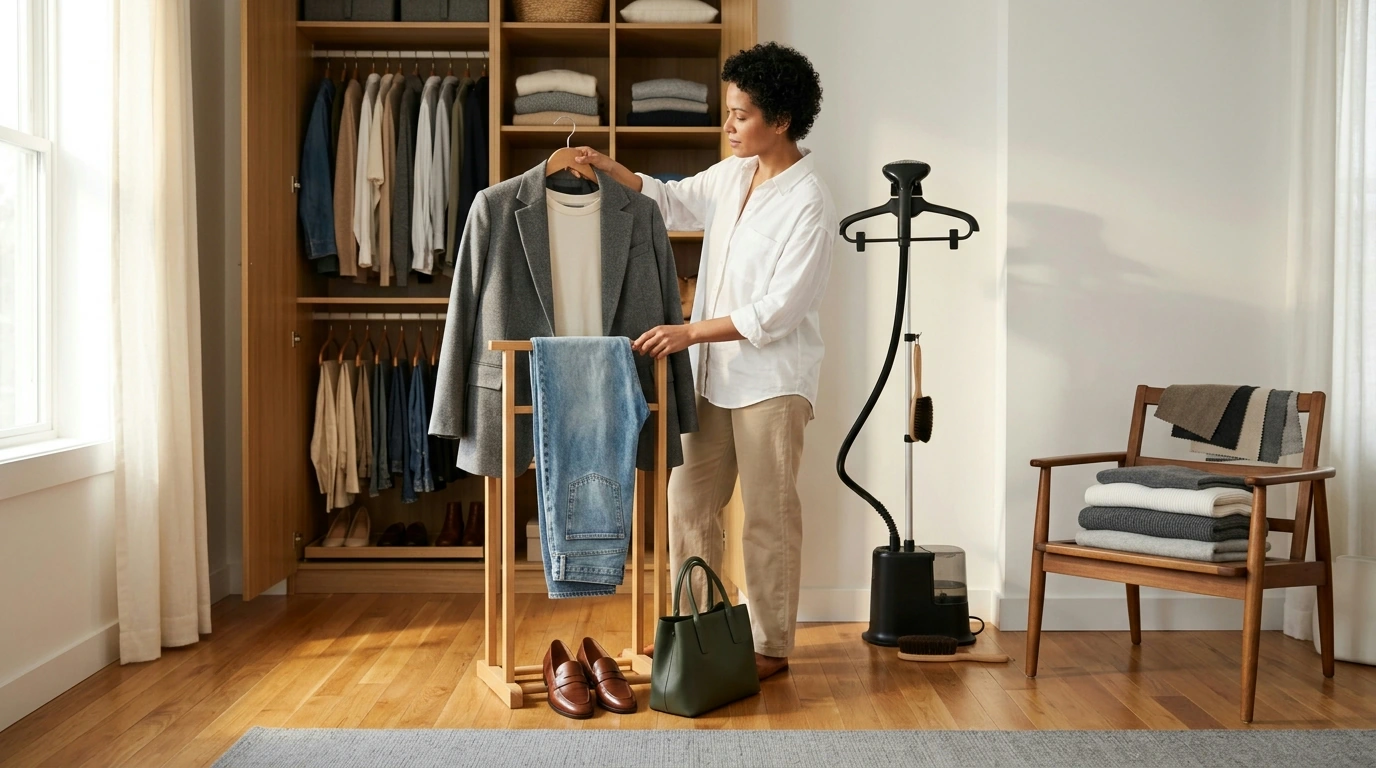
The Art of High-Low Wardrobe Blending: a Practical System, Not a Price Tag
High-low dressing is the skill of pairing investment pieces with affordable finds so outfits look intentional, current, and personal—without relying on a closet full of designer labels. Instead of chasing “perfect” shopping hauls, the most reliable approach is a repeatable styling system: identify a few hero items, build simple outfit formulas, and use quick checklists to keep everything looking polished. If you want a guided, step-by-step approach, The Art of High-Low Wardrobe Blending: 5-in-1 Bundle of Fashion Guides & Checklists is designed to help create that kind of wardrobe rhythm—shop less, style more, and get more wears out of what’s already owned.
What “High-Low” Styling Actually Means
- Balance: One elevated focal piece—great fabric, sharp cut, or standout craftsmanship—paired with simpler supporting items.
- Contrast: Mixing textures and price points (think wool blazer + plain tee + vintage denim) to avoid a “matchy” look.
- Intention: The outfit reads as a choice, not a compromise. Fit and proportion usually matter more than logos.
- Repeatability: The strongest high-low wardrobes rely on a small set of reliable outfit formulas you can use on autopilot.
The Pieces That Do the Heavy Lifting
High-low styling works best when a few items carry the visual “weight,” while the rest keep the outfit clean and cohesive.
- High-impact hero items: A tailored blazer, great coat, leather shoes, quality bag, structured denim, or a standout dress—chosen for fit and longevity.
- Low-cost multipliers: Solid tees and tanks, socks, simple knits, neutral belts, and easy layering tops that support dozens of outfits.
- Finishers that elevate: Steaming, lint-rolling, shoe care, and quick hemming create a polished look even with budget basics.
- Rule of three: Aim for one statement, one structure, and one soft element in each look (sharp blazer + relaxed denim + silky cami).
If you’re trying to shop more thoughtfully, resources like CFDA’s sustainability resources and Good On You’s brand ratings can help compare materials and practices before investing in hero pieces.
A Simple Method to Blend Price Points Without Looking Random
- Start with silhouette: Choose one anchor—tailored, relaxed, or sleek—and keep the rest aligned. A crisp blazer wants cleaner lines than a slouchy hoodie does.
- Match formality levels: Sneakers with a blazer look best when the rest of the outfit is minimal and tidy; heels with denim work when the top is refined.
- Limit loud signals: If one item has strong branding or a bold pattern, make the rest quiet and cohesive.
- Use a color “spine”: Keep two core neutrals (like black + cream or navy + gray) and add one accent so mixed sources feel unified.
- Check proportions: If the top is oversized, keep the bottom streamlined (and vice versa). This one adjustment can make an outfit look “styled” instantly.
Outfit Formulas That Make High-Low Easy
Use these as repeatable templates. Swap colors and textures for variety, keep one piece as the focal point, and let everything else support it.
| Focal “High” Piece | Supporting “Low” Pieces | Best For | Quick Upgrade |
|---|---|---|---|
| Tailored blazer | Plain tee + straight-leg jeans + simple sneakers | Casual workdays, errands | Add a leather belt + tidy hair |
| Quality leather shoes | Basic knit + midi skirt + minimal jewelry | Lunch, events, office | Steam the skirt; polish shoes |
| Statement coat | Monochrome basics + beanie/scarf | Travel, winter looks | Keep the base all one color |
| Structured bag | Budget dress + cardigan + flats | Day-to-night, meetings | Swap flats for sleek boots |
| Premium denim | Simple tank + oversized shirt + sandals | Warm-weather styling | Add a crisp tuck + sunglasses |
Smart Shopping: When to Spend, When to Save
- Spend on: Items that touch the ground (shoes), outer layers (coats/blazers), and daily-wear staples where fabric and fit show quickly.
- Save on: Trend shapes, seasonal colors, basic tees/tanks, and accessories that can be replaced easily.
- Use cost-per-wear thinking: One higher-priced piece worn weekly can be “cheaper” over a year than several rarely worn bargains.
- Prioritize alterations: Hemming pants or adjusting waistlines often outperforms buying the next “perfect” item.
For inspiration on what’s feeling current (so you can buy fewer, better “trend accents”), browse styling coverage from Vogue, then translate it into your own color palette and silhouettes.
Common High-Low Mistakes (and Fast Fixes)
What’s Inside the 5-in-1 Bundle and How to Use It
The goal is to make styling repeatable—more like a quick routine than a daily guessing game. The Art of High-Low Wardrobe Blending: 5-in-1 Bundle of Fashion Guides & Checklists is built around guides and checklists that help you audit what you own, identify outfit gaps, and plan purchases around outfit formulas rather than impulse buys.
Building a Capsule That Still Feels Like You
More Bundles to Support Your Routines
- Summer Skincare Secrets Bundle | 3-in-1 Digital Guides for a Summer Skincare Routine for streamlined warm-weather self-care checklists.
- Content That Sells Strategy Toolkit | How to Create a Content Marketing Strategy 3-in-1 Bundle for a practical, system-first approach to planning content.
FAQ
How many “high” pieces does a high-low wardrobe need?
A small set is enough—often 5–10 hero items (like a coat, blazer, shoes, bag, denim, and one event-ready piece). Everything else can be affordable basics as long as they fit well and stay within your palette.
What’s the easiest way to make budget outfits look polished?
Focus on fit and finishing: steam or iron, remove lint, clean shoes, and keep accessories simple. A tidy hemline and neat layers create the biggest visual upgrade.
How can outfits look cohesive when items come from many brands?
Use a limited palette (two neutrals plus one accent), repeat one metal tone in jewelry, and keep silhouettes consistent. Let one statement piece lead and keep the rest quiet.








Leave a comment