G Car Wash Clay Bar Guide: Smooth Paint Without Haze
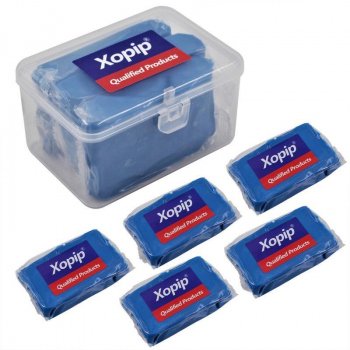
G Car Wash Clay Bar: Smoother Paint in a Few Careful Passes
A clay bar is designed to lift bonded surface contamination that washing alone can’t remove, helping paint feel smooth and look clearer. Used with plenty of lubrication and light pressure, it can prep a vehicle for waxing or polishing while reducing the “gritty” feel that can make paint look dull. If you’ve ever finished a wash and still felt tiny bumps when you run your hand across the hood, claying is the missing step between “clean” and “truly smooth.”
What a clay bar removes (and what it doesn’t)
Think of claying as safely shaving off what’s stuck on top of the clear coat, not repairing the clear coat itself. A good pass with clean clay and proper lubricant can remove bonded contaminants like industrial fallout, rail dust, brake dust residue, tree sap mist, road film, and small overspray specks.
What it won’t fix: scratches, swirl marks, etching, or oxidation. Those issues live in (or below) the clear coat and usually require polishing/compounding or professional correction. Claying is best done after a thorough wash and before wax, sealant, or a ceramic spray so your protection bonds to a cleaner surface.
A quick test: lightly glide a clean hand inside a thin plastic bag over the paint. Any roughness felt through the bag often indicates bonded contamination that a clay bar can remove.
When to clay a vehicle
Claying isn’t a weekly chore; it’s a targeted maintenance step. It’s especially helpful after winter driving, construction detours, or heavy highway use—any time the paint feels rough even after washing.
It’s also a smart move before applying fresh protection (wax, sealant, ceramic spray) to improve adhesion and leave a cleaner-looking finish. If machine polishing is planned, claying first reduces the chance of dragging embedded grit across the paint with a pad.
For most daily drivers, 1–4 times per year is typical depending on environment and storage. More isn’t always better if the paint already passes the bag test with minimal texture.
How to use a clay bar safely
1) Start with a proper wash
Clay is not a substitute for washing. Remove loose dirt first so you’re not grinding dust into the finish. Avoid claying on visibly dusty paint.
2) Work cool and shaded
Choose shade and cool panels. Heat can flash off lubricant and increase the chance of haze or micro-marring.
3) Use generous lubrication
Use a dedicated clay lubricant or a slick rinseless-wash mix. Never clay a dry surface. If the clay grabs or chatters, stop and add more lubricant.
4) Knead, flatten, and glide lightly
Knead the clay into a palm-sized patty and keep a clean face against the paint. Glide with very light pressure in straight lines. You’re letting the clay do the work—no scrubbing. Wipe residue with a clean microfiber towel and recheck smoothness with the bag test.
5) Drop it? Discard it.
If clay hits the ground, it can pick up grit that’s nearly impossible to remove. Discard that piece to avoid grinding debris into your clear coat.
Common mistakes that cause haze or micro-marring
Most “clay bar problems” come from rushing or going too dry. Not enough lubricant is the big one, followed closely by using too much pressure to “scrub” contamination off. If you can hear or feel the clay dragging, you need more lubrication and a lighter touch.
Other avoidable issues include using a contaminated clay face for too long without folding/kneading, claying after harsh chemicals leave the surface tacky (rewash or rinse thoroughly), and reusing the same towel for dirty steps and final wipes. On delicate or softer paint, keep pressure minimal, stick to finer clay, and plan on a protective topper afterward to maximize gloss and slickness.
Choosing the right clay bar grade for the job
| Clay grade | Best for | Risk level | Recommended follow-up |
|---|---|---|---|
| Fine | Light contamination, regular upkeep, newer paint | Low | Wax/sealant/ceramic spray |
| Medium | Moderate bonded contaminants, neglected daily drivers | Medium | Protection; optional light polish on dark/soft paint |
| Heavy | Overspray/heavy fallout, stubborn grit-like contamination | Higher | Polish recommended; then protect |
Using the 500g Car Wash Clay Bar efficiently
For a larger-format option, see the 500g Car Wash Clay Bar.
Step-by-step workflow for a decontamination wash
If you’re building a detailing side hustle and want a planning resource for your marketing and content, the Content That Sells Strategy Toolkit and Grow Your Business Step-by-Step: 10-in-1 Bundle for Online Success can help organize your outreach and promotions.
For additional technique tips from established detailing brands, see Griot’s Garage: How to Clay Your Car Properly, Meguiar’s: How to Use a Clay Bar, and the International Carwash Association for general car care basics.
Care, storage, and what to do if the bar feels sticky
FAQ
Can a clay bar damage clear coat?
With proper lubrication, light pressure, and clean clay, it’s generally safe. Improper use (too little lube, too much pressure, dirty clay) can cause micro-marring that’s often removable with a light finishing polish.
Is it necessary to polish after claying?
Not always. Many vehicles look excellent after claying and then applying protection, but darker or softer paints—and more aggressive clay grades—may benefit from a quick finishing polish to maximize clarity.
What can be used as clay lubricant?
A dedicated clay lubricant is the safest option for consistent slickness. A properly mixed rinseless wash solution is a common alternative, while plain water is usually too thin and increases the chance of the clay grabbing.















Leave a comment