Build a Bedtime Routine for Deep Rest (5-in-1 Toolkit)
Deep Rest Needs a Routine, Not a One-Off Fix
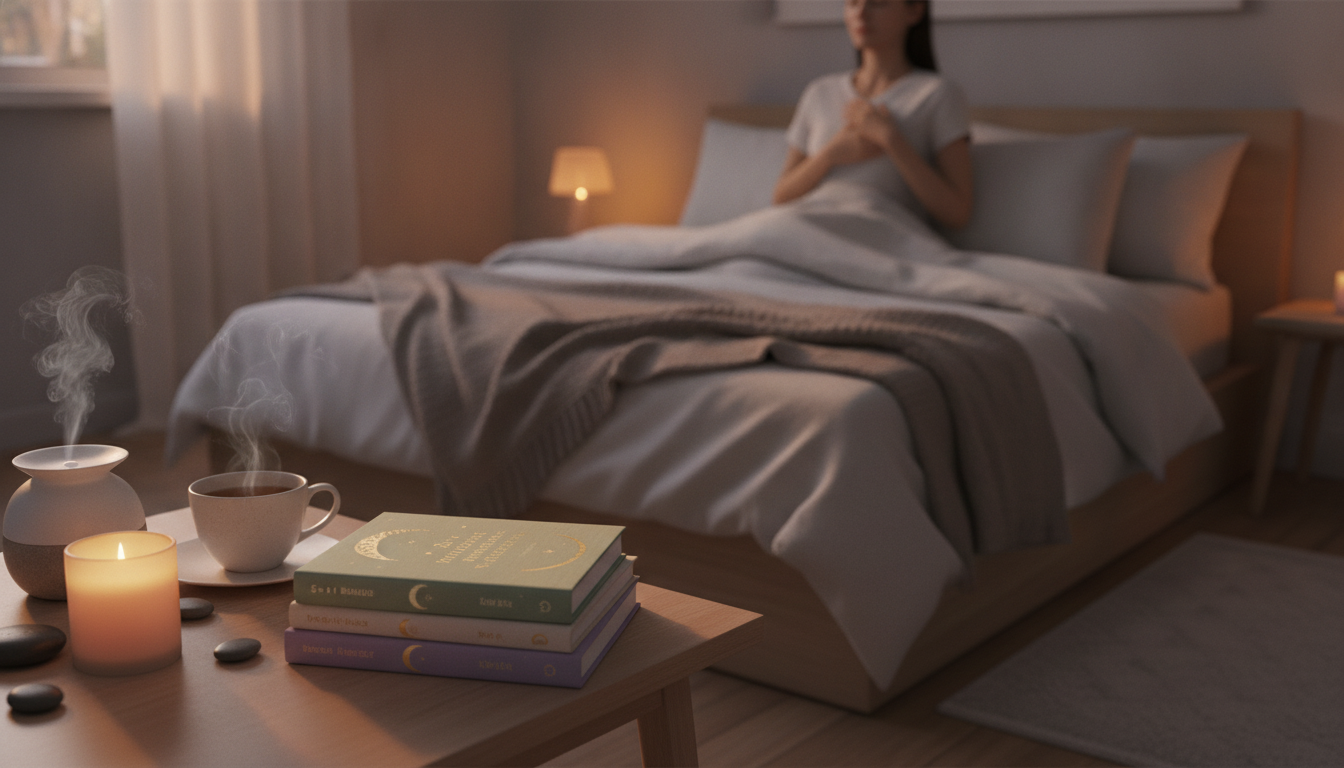
Deep rest often requires more than a single technique. A dependable wind-down works best when it becomes a repeatable sequence: calm the body, quiet the mind, then close with a consistent cue that signals “sleep time.” The Peaceful Sleep Meditation Toolkit for Deep Rest – 5-in-1 Bundle of Guides & eBooks is built around that practical idea, making it easy to mix and match approaches—short resets for busy nights, longer practices for weekends, and targeted exercises for stress-heavy days—so a bedtime plan can stay steady even when life isn’t.
For an overview of how meditation is commonly used and studied for relaxation and sleep support, helpful references include the National Center for Complementary and Integrative Health (NCCIH) and the Sleep Foundation.
What the 5-in-1 Toolkit Is Designed to Support
- A structured wind-down that reduces mental “spin” and eases the transition from alertness to rest.
- Guided meditation approaches that emphasize safety, gentleness, and repeatability rather than intensity.
- Tools to lower late-night stress and physical tension through breathing, body awareness, and relaxation cues.
- A flexible “choose-your-own” flow: quick sessions when energy is low, deeper sessions when time allows.
- Digital format for bedtime convenience: use on a phone, tablet, or eReader without needing extra equipment.
Stress can amplify physical tension and mental alertness, which is one reason bedtime practices that downshift the nervous system tend to feel more effective than “trying harder” to sleep. For a clear overview of how stress affects the body, see the American Psychological Association.
Who This Bundle Tends to Fit Best
- People who feel tired but wired and want a step-by-step routine rather than random one-off techniques.
- Beginners who want guided structure, clear prompts, and simple practices that are easy to repeat nightly.
- Experienced meditators who want bedtime-specific practices focused on downshifting (not energizing).
- Anyone building healthier sleep habits and looking for consistent cues: same steps, same order, same outcome.
- Busy schedules: those who benefit from short options on weekdays and longer options when time opens up.
A Simple Nightly Flow to Use with the Toolkit
The goal isn’t to force sleep—it’s to create conditions that make sleep more likely. Keeping the same “opening” and “closing” each night trains your brain to recognize the sequence as a reliable signal to settle.
- Arrival (2–5 minutes): Dim the lights, put the phone on Do Not Disturb, and sit or lie down comfortably.
- Breath-led downshift: Let the exhale run slightly longer than the inhale to cue relaxation.
- Body release: Add a body scan or progressive relaxation to soften common tension zones (jaw, shoulders, belly, hips).
- Mental reset: Label thoughts (“planning,” “remembering,” “worrying”) and return to sensation.
- Closing cue: End the same way each night—phrase, visualization, or a single gratitude line.
- If sleep doesn’t arrive: Repeat the gentlest segment rather than escalating effort; the goal is softness, not performance.
Nightly Routine Options (Choose Based on Energy and Time)
| When to use | Time | Suggested sequence | Goal |
|---|---|---|---|
| Late night, low energy | 5–8 min | Breathing + short body scan + closing cue | Stop rumination and settle fast |
| Average weeknight | 10–15 min | Breathing + relaxation + thought-labeling + closing cue | Lower stress and steady the mind |
| High-stress day | 15–25 min | Longer relaxation + guided imagery + gentle reframe + closing cue | Release tension and reduce hyperarousal |
| Weekend or recovery day | 20–30 min | Full practice + journaling prompt (optional) + closing cue | Deep rest and habit-building |
How to Get Better Results from Guided Sleep Meditation
Common Obstacles and Quick Adjustments
What’s Included and How to Use It Week by Week
Product Picks (In Stock)
- Best for a guided bedtime routine: Peaceful Sleep Meditation Toolkit for Deep Rest – 5-in-1 Bundle of Guides & eBooks (digital bundle; designed for nightly wind-down, stress-heavy days, and middle-of-the-night calm-down sessions).
- Optional self-care add-on to support an evening reset: Summer Skincare Secrets Bundle | 3-in-1 Digital Guides for a Summer Skincare Routine (helpful if a consistent nighttime routine is easier when it includes a simple, calming self-care step).
Peaceful Sleep Meditation Toolkit for Deep Rest – Product Details
- Product: Peaceful Sleep Meditation Toolkit for Deep Rest – 5-in-1 Bundle of Guides & eBooks.
- Format: Digital bundle designed for guided practice and repeatable bedtime routines.
- Best use: Nightly wind-down, stress-heavy days, or middle-of-the-night calm-down sessions.
- Availability: In stock.
- Where to find it: Use the product page for current price and access details: view product.
FAQ
How long should a sleep meditation be for deep rest?
Most people do well with 5–8 minutes on low-energy nights, 10–15 minutes on typical weeknights, and 20–30 minutes when stress is high or time allows. Consistency tends to matter more than length, so pick a duration you can repeat regularly.
Can guided meditation help with racing thoughts at night?
Yes—guidance can give the mind a simple job: follow the breath, relax the body, and gently return when thoughts pull attention. Try this quick reset: take 10 slow breaths, label any thought (“planning” or “worrying”), then restart at one until your mind feels less crowded.
What if meditation makes someone feel more awake?
Switch to softer techniques like a longer exhale, progressive muscle relaxation, and lower-volume guidance, and shorten the session to reduce effort. When the goal becomes “settling” rather than “achieving sleep,” it often feels easier to drift off.















Leave a comment