AI Bedtime Checklist: Fall Asleep Faster Tonight
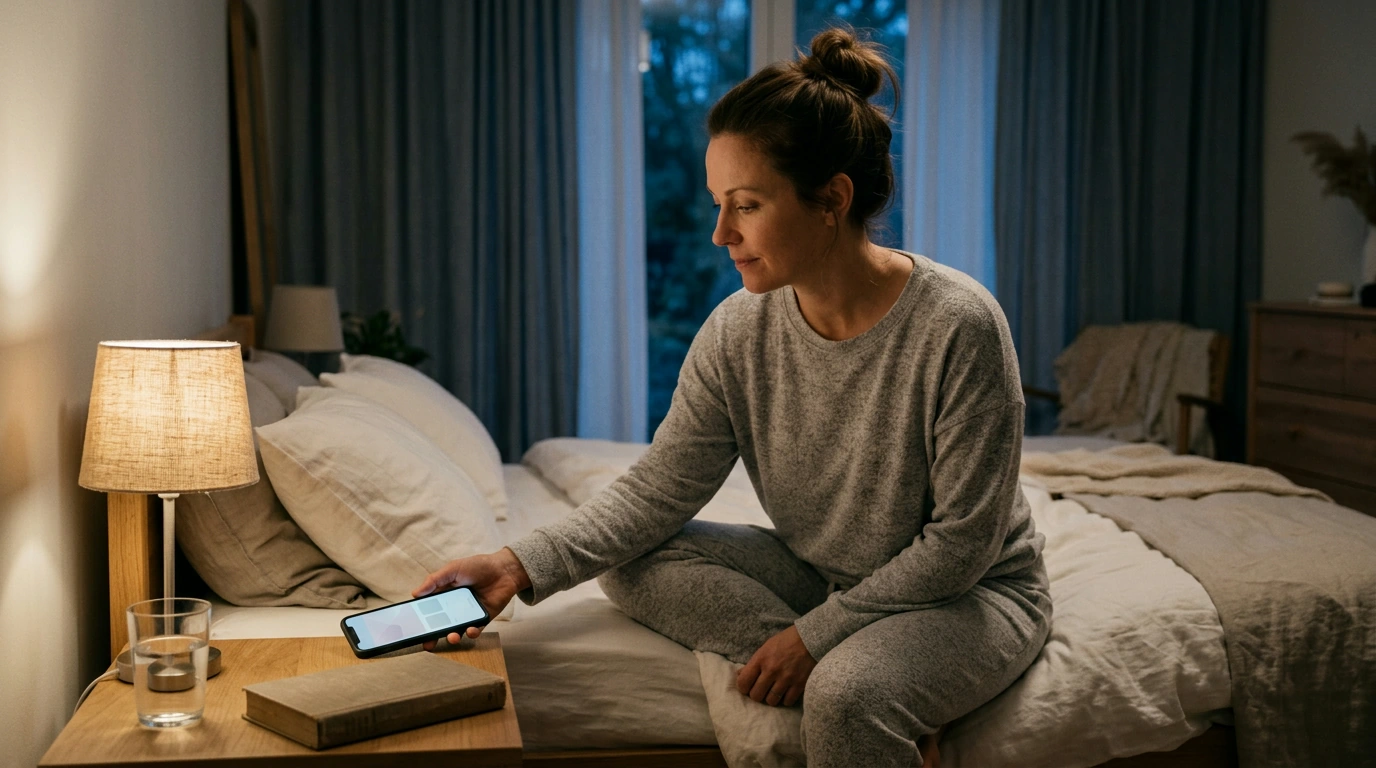
Fall Asleep Faster with AI: A Digital Checklist for Restful Nights and Calm Mornings
Racing thoughts, inconsistent routines, and late-night screen habits can turn bedtime into a second shift. A simple, repeatable system makes it easier to power down: a short checklist that reduces decisions, keeps timing consistent, and uses AI to personalize what helps most. The goal is not perfection—it is a calmer wind-down that reliably leads into sleep and a morning that feels less groggy.
Why falling asleep feels harder than it should
Falling asleep isn’t just about being tired. Sleep onset is sensitive to timing, light exposure, stress, caffeine, alcohol, and temperature—small changes can add up fast. When the brain repeatedly associates the bed with problem-solving or scrolling, it learns that “bed” equals “think” instead of “sleep.”
Another issue is decision fatigue: deciding what to do first, how long it should take, and whether it’s “working” can keep your mind alert. A predictable sequence helps train your body to expect sleep at a similar time each night—especially when paired with a steady wake time and a consistent pre-bed lighting environment. For a practical foundation on sleep habits, the American Academy of Sleep Medicine’s guidance on healthy sleep habits is a useful reference point.
How an AI-supported checklist improves consistency
An AI-supported checklist turns a vague goal (“go to bed earlier”) into a specific sequence with start times and short steps. Instead of overhauling everything, it makes it easier to adjust one variable at a time—like a caffeine cutoff, screen dimming, or room temperature—and notice what actually changes your sleep.
The key is quick daily feedback. Track two signals: (1) how long it took to fall asleep, and (2) how rested the morning feels. Over a week, AI can help spot patterns you might miss (for example, “late exercise + bright overhead lighting = longer sleep onset”). Most importantly, a checklist reduces mental load: fewer decisions means fewer opportunities to drift back into stimulating content or chores.
Common sleep blockers and checklist-friendly fixes
| Sleep blocker | What it feels like | Checklist step to try tonight |
|---|---|---|
| Late bright light / screens | Wide awake even when tired | Dim lights 60 minutes before bed; enable night mode; put phone on a charger away from the bed |
| Racing thoughts | Mind loops on tasks or worries | 2-minute brain dump + pick one “tomorrow” priority; then a short breathing cue |
| Body not relaxed | Restless, tense shoulders/jaw | Warm shower or 5-minute stretch sequence; keep the room cool |
| Caffeine too late | Alertness spikes at night | Set a caffeine cutoff time and track it for 3 nights |
| Irregular schedule | Sleepy late, wired late | Choose a steady wake time first; keep bedtime window consistent |
A practical bedtime sequence (30–60 minutes) to start with
Start with a routine that’s short enough to do on a normal night. A 30–60 minute sequence is long enough to downshift, but not so long that it feels like another project.
If you want a general framework for sleep health and why consistency matters, the NIH’s overview on healthy sleep offers a clear, science-based baseline.
Using AI to personalize the checklist without overcomplicating it
What the digital checklist includes and how to use it nightly
A digital checklist is most helpful when it removes guesswork and makes the next step obvious. Fall Asleep Faster with AI | AI Help Falling Asleep Faster | Digital Checklist for Restful Nights and Calm Mornings is designed as a ready-to-follow wind-down flow you can repeat nightly, with simple prompts that capture what changed (light, caffeine, stress, schedule) so patterns become easier to spot.
For a separate kind of “reduce mental load” planning—especially if evenings are chaotic because the next day feels unstructured—Content That Sells Strategy Toolkit | How to Create a Content Marketing Strategy 3-in-1 Bundle can help build a clearer plan and reduce last-minute decisions that often spill into late-night stress.
Small upgrades that help the checklist work even better
- Keep the bedroom for sleep: if you’re awake too long, do a quiet activity in dim light elsewhere, then return when sleepy. This helps protect the “bed = sleep” association.
- Aim for cool and dark: temperature and light matter. A fan or white noise can help mask environmental sounds.
- Track alcohol honestly: alcohol can make you feel sleepy but disrupt sleep quality for many people—logging it alongside morning grogginess can reveal the pattern.
- Move workouts earlier if needed: if late exercise leaves you energized, shift it earlier and compare sleep onset over several nights.
- Know when to get help: if snoring, gasping, or persistent daytime sleepiness shows up, consider professional evaluation for sleep disorders. The CDC’s overview of sleep and sleep disorders is a helpful starting point.
FAQ
How long does it take to notice results from a bedtime checklist?
Small improvements often show up within 3–7 nights when the routine is consistent. Track just one change at a time and review weekly so you can keep what works and drop what doesn’t.
What should be done if the mind won’t stop racing at bedtime?
Do a quick 2-minute brain dump, choose one “tomorrow” action, then switch to a simple calming cue like slow breathing. Keep the routine short and avoid stimulating content so your brain gets a clear signal that the day is done.
Is it okay to use AI for sleep routines without becoming dependent on it?
Yes—AI can be a planning tool that suggests options and helps you spot patterns, but the goal is to stick to a simple routine you can follow without constant tweaking. Use AI for occasional check-ins, then keep the checklist steady for several nights before changing anything.















Leave a comment