Flying with Kids Made Easy: The 4-Phase Flight Plan
Smart Parent’s Flight Plan: Family Travel Hacks for Flying with Kids
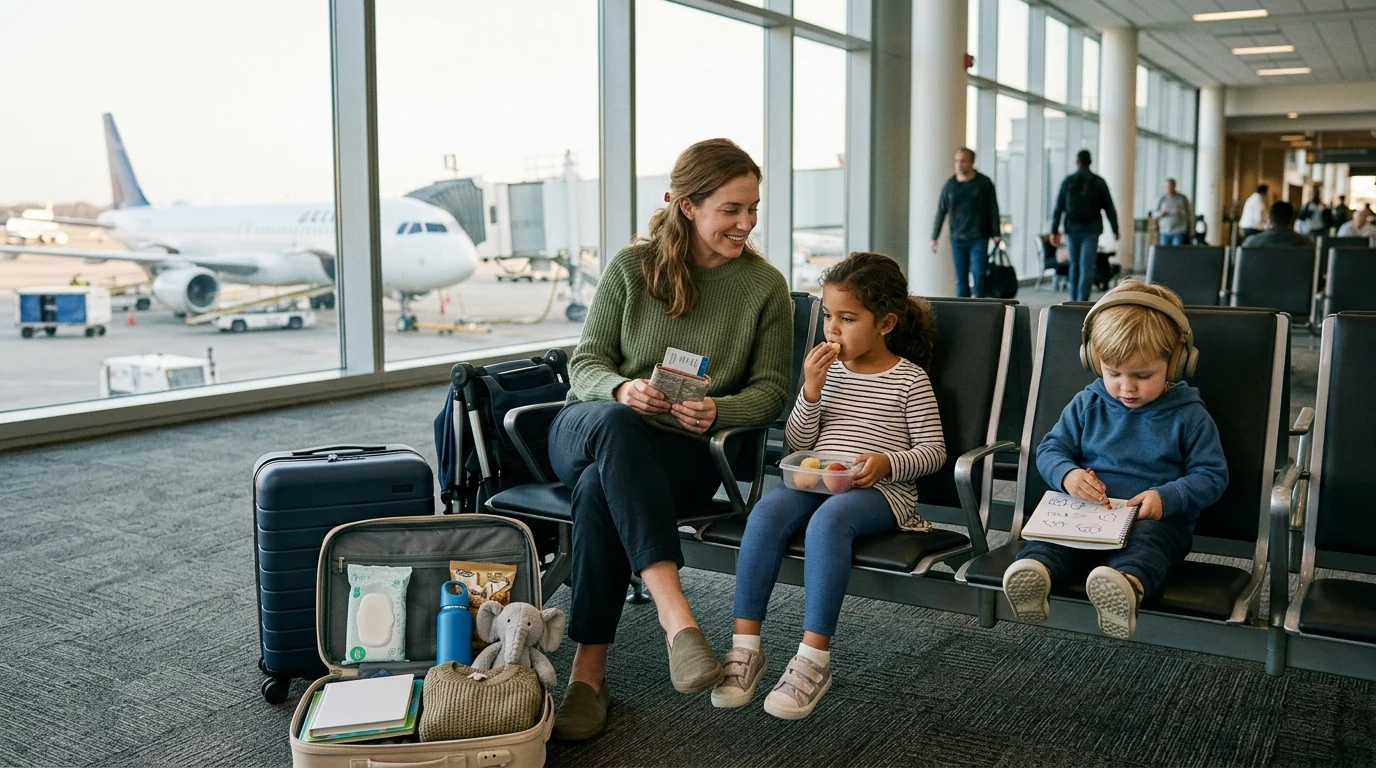
Smooth air travel with kids comes down to planning that matches real airport constraints: security rules, boarding timelines, sleep needs, and snack math. Instead of trying to “remember everything,” use a simple flight plan that moves with you—before you leave, at the airport, in the air, and after landing—so stress stays low, essentials stay reachable, and everyone recovers faster.
Start with a “4-phase” plan instead of a giant to-do list
The easiest way to reduce travel chaos is to divide the trip into four repeatable phases: pre-trip setup, airport flow, in-flight rhythm, and arrival recovery. Give each phase one main priority (documents, movement, comfort, reset), then run the same mini-systems every time: one packing routine, one snack routine, and one device routine.
| Phase | Goal | Parent actions | Kid-friendly focus |
|---|---|---|---|
| Pre-trip (48–72 hrs) | Prevent avoidable problems | Confirm seats, download tickets, pack meds, label gear | Preview the airport, choose comfort outfit |
| Airport (check-in to boarding) | Keep everyone regulated | Use restroom early, pace snacks, rotate carry-on jobs | Movement breaks, small “missions” (find gate sign) |
| In-flight | Protect sleep + comfort | Layer warmth, manage ears, schedule snacks/activities | Predictable routine (eat → play → rest) |
| Arrival (landing to exit) | Avoid the final meltdown | Bathroom + water first, baggage plan, regroup point | Simple reward, calm transition to car/stroller |
Pre-trip setup: seats, documents, and a calm packing system
Start 48–72 hours ahead with three non-negotiables: seating, documents, and a packing setup that prevents digging through bags under pressure.
Seat strategy that supports regulation
For younger kids, sitting next to a parent reduces uncertainty and cuts down on seat-swapping stress. When you can, choose flight times that line up with natural nap windows—sleep is the ultimate meltdown prevention tool.
Document bundle that never “wanders”
Keep IDs, boarding passes, medical notes (if needed), and emergency contacts together in one pouch or folder. A paper backup helps if your phone battery drops at the worst moment.
The “today vs. later” carry-on rule
Pack one carry-on for “today” (must-have items for the next 2–4 hours) and one for “later” (backup clothes, extra diapers/wipes). The goal is simple: nothing essential gets buried beneath backups.
For quick reminders on security considerations with children, check TSA — Traveling with Children.
Airport flow: reduce friction at check-in, security, and boarding
The airport phase is where time pressure and sensory overload can stack up. Your job is to protect pace: arrive with a buffer, keep the bag system predictable, and use “jobs” to turn waiting into teamwork.
Arrive early enough to stay calm
Rushing spreads fast. Extra time covers bathroom detours, stroller handling, and a slow-moving security line—without turning every transition into a power struggle.
Build a security-ready bag layout
Keep wipes, liquids, and electronics in the same easy-access pockets every trip. Consistency prevents last-minute repacking in line (the moment kids most want to bolt).
Use a simple “jobs” system
Give each child a role: one holds boarding passes (or a decoy card), one watches for the gate number, one manages the snack pouch. Jobs create purpose and reduce wandering.
Boarding plan: bathroom, then anchor snack
Do a restroom stop before lining up, then offer a small snack once everyone is seated. That predictable sequence signals a new phase and smooths the transition.
In-flight rhythm: comfort, ears, and boredom prevention
In the air, the winning approach is rhythm over perfection. If kids know what’s next (eat, play, rest), they resist less and recover faster from small disruptions.
Manage ear pressure early
Encourage swallowing during ascent and descent: water sips, a pacifier, gum for older kids, or a snack that takes time to chew. Start before discomfort kicks in rather than waiting for complaints. The FAA — Flying with Children guide is a helpful reference for family flight safety basics.
Pack for cold cabins
Planes often run chilly even in summer. Bring one extra layer per child plus socks; warmth can make the difference between settling down and spiraling into crankiness.
Pace activities so attention doesn’t burn out
Use snack math, not meal moments
Carry-on essentials that earn their space
If you’re traveling with infants or have health concerns, the CDC — Traveling with Children page can help you think through age-specific considerations.
Meltdown prevention: the “basic needs” checklist
Landing and arrival: finish strong
A ready-made option for parents who want a structured system
Some families don’t want to reinvent a travel checklist every trip. Smart Parent’s Flight Plan: 4-in-1 Family Travel Hacks for Flying with Kids is built around the same four phases—planning, airport navigation, in-flight routines, and arrival recovery—so you can follow a repeatable framework and adjust it by age, flight time, and special needs.
If travel overlaps with work or you manage a side project on the go, Grow Your Business Step-by-Step: 10-in-1 Bundle for Online Success can help keep your broader systems organized so the travel plan stays simple and focused.
FAQ
What should be in a kid’s carry-on for a flight?
Pack comfort and cleanup basics: a change of clothes, warm layers, wipes, snacks, a small comfort item, headphones, and any needed medications. Keep the top items easy to reach during takeoff and landing.
How can ear pain be reduced for kids during takeoff and landing?
Encourage swallowing during ascent and descent with water sips, a pacifier, gum for older kids, or a slow snack. Start early so you’re preventing pressure pain rather than reacting to it.
How early should families arrive at the airport when flying with kids?
Arrive with extra buffer for bathroom stops, stroller or car seat handling, and unpredictable security delays. More time reduces rushing, which helps kids stay regulated and cooperative.
















Leave a comment