Puppy Training Toolkit: 30-Day Calm Habits Plan
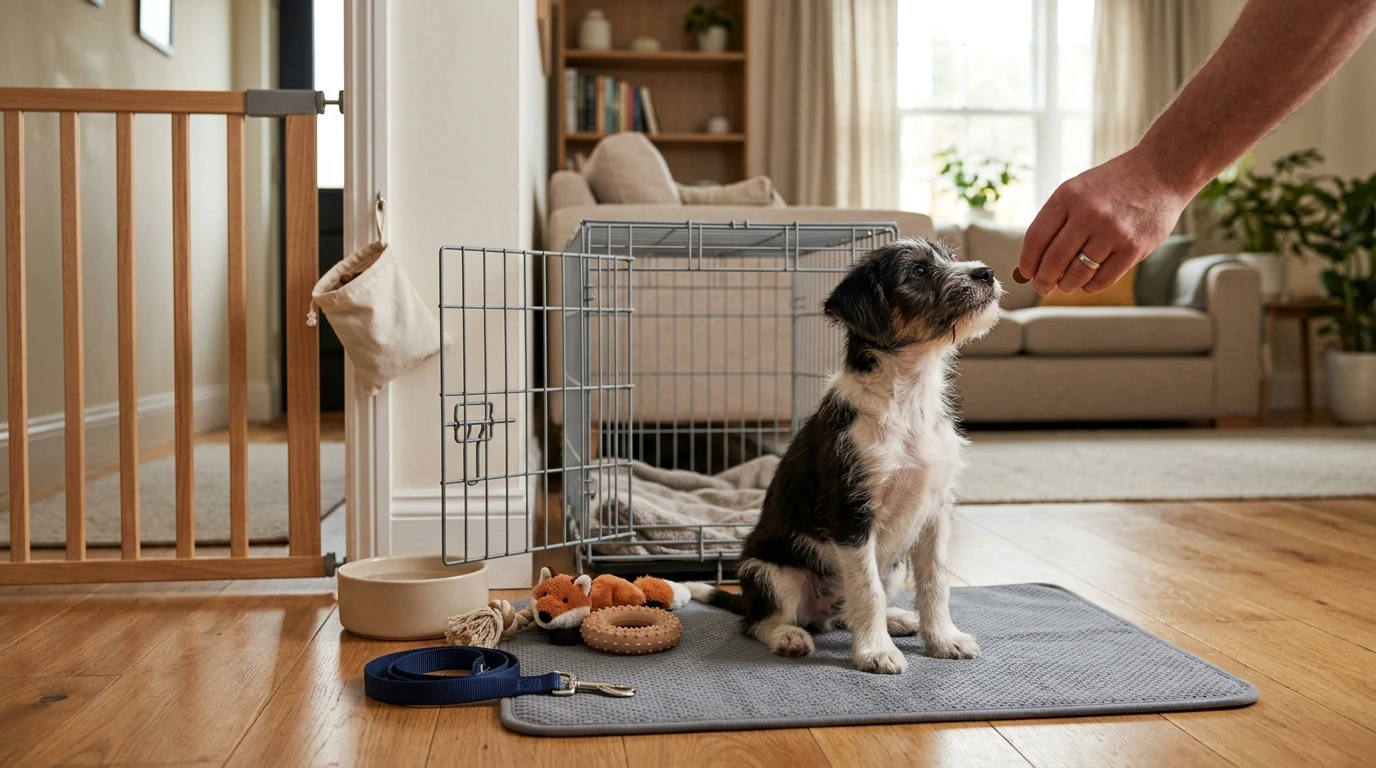
Step-by-Step Puppy Training Toolkit: A Beginner’s Plan for Calm, Confident Habits
Puppy training gets easier when the basics are broken into small, repeatable steps. The goal for the first few weeks isn’t “perfect obedience”—it’s creating steady routines, rewarding the right choices, and preventing your puppy from practicing the habits you don’t want. Below is a beginner-friendly plan for the first month at home, including a simple schedule, quick problem fixes, and a structured way to stay consistent day to day.
For humane, reward-based guidance backed by behavioral science, resources like the American Veterinary Society of Animal Behavior (AVSAB) and the American Kennel Club (AKC) reinforce the same core idea: clear communication and positive reinforcement build reliable skills without unnecessary conflict.
What “good training” looks like in the first month
- Clear communication: your puppy learns which behaviors earn rewards and which behaviors don’t work.
- Predictable routines: meals, potty breaks, naps, play, and short training sessions happen on a steady rhythm.
- Short sessions, high success: 3–5 minutes per session, several times a day, ending before frustration starts.
- Management prevents mistakes: gates, crates, leashes, and safe chew options reduce opportunities for unwanted behaviors.
- Progress is uneven: growth spurts, teething, and overstimulation can cause normal “backslides.”
A calm puppy is often a well-managed puppy. When the environment is set up to make good choices easy, training feels less like constant correction and more like steady practice.
Set up the home so your puppy can succeed
- Create a puppy-safe zone with a crate or pen, water, a bed/mat, and a rotation of chew toys.
- Use baby gates to limit roaming and prevent rehearsing accidents, chewing, or jumping on furniture.
- Decide family rules now (couch access, sleeping location, feeding area) and keep them consistent.
- Choose rewards: soft training treats, kibble for easy reps, and a favorite toy for energetic puppies.
- Pick a marker (a clicker or a consistent word like “yes”) to pinpoint the exact moment your puppy did the right thing.
If you’re training with multiple people in the house, consistency matters more than creativity. One cue, one marker, and one reward style keeps learning clear.
House training: a simple routine that prevents accidents
- Take your puppy out after waking, after eating or drinking, after play, and at least every 1–2 hours early on.
- Go to the same potty spot, stand still, and wait quietly; reward immediately after finishing.
- If an accident happens indoors, interrupt gently (no scolding), lead outside, and reward if they finish there.
- Clean with an enzymatic cleaner so odors don’t invite repeat accidents.
- Crate time supports house training only when your puppy’s needs (potty, water, exercise) have been met.
A simple rule of thumb: if you can’t actively supervise, manage. Use a leash tether, pen, or crate so your puppy can’t sneak off to potty behind the couch and accidentally “train themselves” to repeat it.
The core skills to teach first (and why they matter)
- Name response: builds attention; reward your puppy for looking when their name is said.
- Sit and down: useful for polite greetings and calming transitions; lure with a treat, then reward.
- Come when called: start indoors at short distance with an upbeat voice; reward heavily every time.
- Loose-leash walking basics: reward your puppy for being near your leg before pulling starts.
- Leave it and drop it: prevents resource struggles; trade for higher-value treats and practice often.
Biting, chewing, and teething: replace the behavior, don’t battle it
A realistic daily schedule (sample for the first 2–3 weeks)
| Time block | What to do | Goal |
|---|---|---|
| Morning wake-up | Potty break immediately, then short play | Prevent accidents; start the day calm |
| Breakfast | Feed, then potty break 10–15 minutes later | Build predictable digestion routine |
| Mid-morning | 3–5 minute training (name, sit), short walk or yard time | Attention and basic cues |
| Late morning | Crate/pen nap with a chew | Rest and self-settle |
| Lunch (if applicable) | Feed, brief training, potty | Repetition without long sessions |
| Afternoon | Socialization outing or household exposure, then nap | Confidence in new sights/sounds |
| Evening | Short training + calm play, potty after excitement | Polite manners during busy hours |
| Before bed | Potty, quiet chew, settle in crate/bed | Smooth nighttime routine |
How the Step-by-Step Puppy Training Toolkit supports daily consistency
If you want a guided, day-to-day framework you can follow without overthinking each decision, consider the Step-by-Step Puppy Training Toolkit: A Beginner’s Guide to Dog Training + eBooks & Checklists. For people who like structured planning and checklists in general (and want the same “step-by-step” approach for projects beyond pet routines), the Content That Sells Strategy Toolkit | How to Create a Content Marketing Strategy 3-in-1 Bundle is another option to keep organized with clear next steps.
Common beginner mistakes (and quick fixes)
FAQ
How long does it take to house train a puppy?
Many puppies show noticeable improvement within a few weeks when supervision and potty routines are consistent, but reliable house training often takes a couple of months. Accidents are normal early on, and clear signaling typically improves over time—not overnight.
Should a puppy be trained with treats all the time?
Treats are especially helpful in the beginning to build strong, clear habits quickly. As skills improve, you can gradually switch to variable rewards and mix in “real-life” rewards like play, access to the yard, or praise while keeping behaviors reliable.
What if a puppy keeps biting during play?
Redirect to a toy immediately and pause the game for a few seconds when teeth touch skin, then resume when your puppy engages appropriately. Make sure your puppy is getting enough naps and safe chews; if biting escalates in intensity or seems aggressive, contact a qualified trainer or veterinary behavior professional.
















Leave a comment