Long-Haul Flight Comfort System: Pack, Sleep, Arrive Well
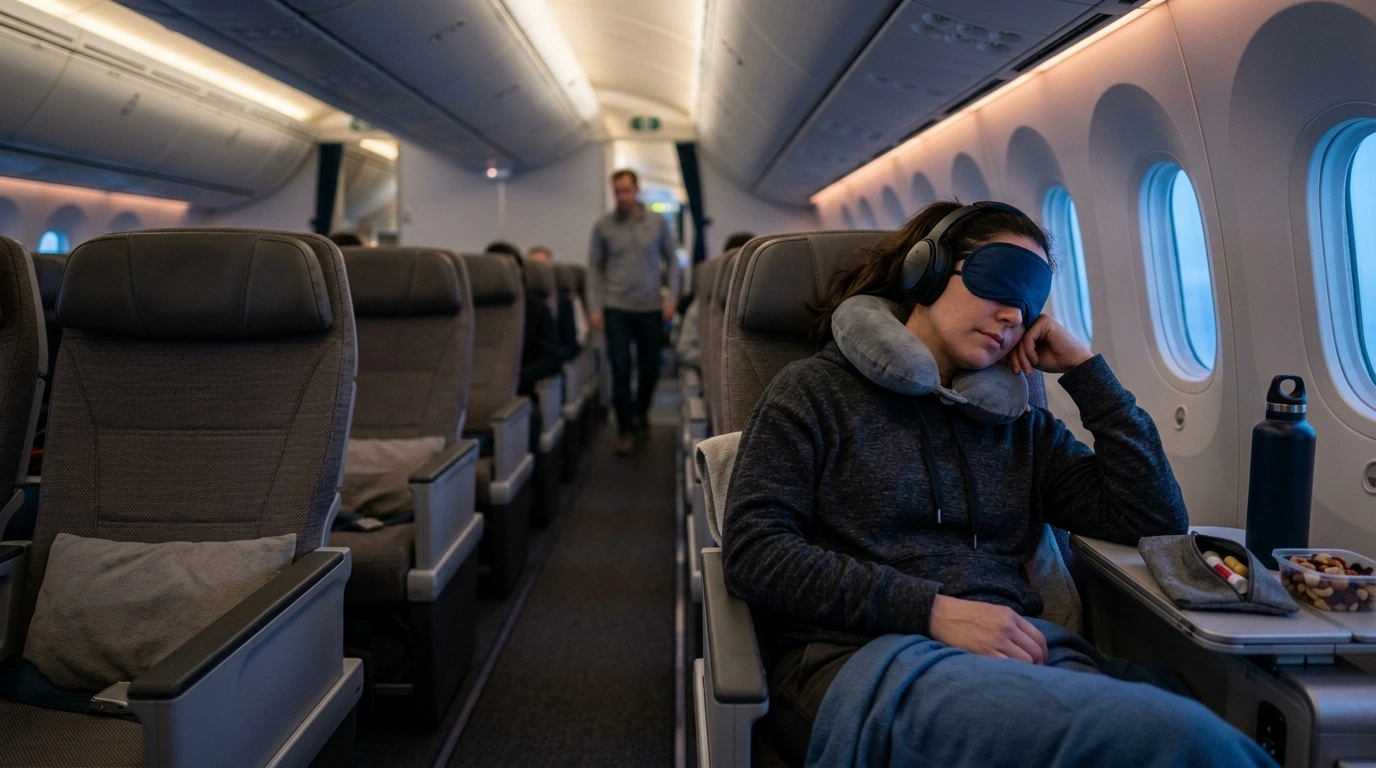
From Takeoff to Touchdown in Comfort: Long-Haul Flight Tips Bundle
Long-haul flights can feel deceptively draining: dry cabin air, cramped seating, time-zone shifts, and hours of limited movement add up quickly. A few smart choices—before boarding, during the flight, and after landing—can make the difference between arriving foggy and sore or stepping off the plane feeling steady, rested, and ready for the day.
Below is a repeatable comfort system that works whether you’re flying overnight, crossing multiple time zones, or managing a tight connection. For medical and safety guidance around jet lag and blood clots, review reputable resources like the CDC’s jet lag guidance, the CDC’s DVT/PE travel page, and IATA’s healthy air travel tips.
Set up comfort before leaving home
The easiest wins happen before you ever reach the gate. Start by choosing flight timing with sleep in mind: when possible, align your departure with a normal bedtime for the destination so you’re not fighting your body clock from hour one.
Next, plan your seat strategically. Aisle seats make it easier to stand up for stretches and restroom breaks (which also helps circulation). Window seats, on the other hand, can be better for uninterrupted sleep since you won’t be asked to move for others.
Pack a small “seat kit” you can access without digging—think eye mask, earplugs or noise-canceling headphones, lip balm, hand cream, and a pen for forms. Then dress in layers: breathable fabrics, loose waistbands, and socks that don’t constrict help you stay comfortable as cabin temperatures swing.
Finally, handle hydration early. Start increasing water intake the day before travel so you’re not trying to “catch up” mid-flight when service is infrequent and sleep matters.
Carry-on essentials that pay off for 8+ hours
A simple way to reduce stress is a two-zone carry-on: keep “seat-access” items in one pouch and store everything else overhead. This prevents repeated rummaging in tight quarters and keeps your seat area calmer.
Bring an empty water bottle through security and fill it after. Instead of chugging occasionally, sip steadily—small, consistent intake usually feels better and helps you avoid a dehydration crash later.
For snacks, aim for protein + fiber options (like nuts and a high-fiber bar) to avoid energy dips when meal timing is odd. For sleep, prioritize tools that match your posture: a neck support that fits your build, a compact scarf/blanket layer, and a spare mask if you sleep in one.
For landing—especially if you have a long connection—pack a minimal refresh kit (toothbrush, travel deodorant, facial wipes, moisturizer, and a clean shirt). It’s a small reset that can make the arrival feel dramatically easier.
Quick carry-on checklist for long-haul comfort
| Category | What to pack | Why it helps |
|---|---|---|
| Hydration | Empty bottle + electrolyte packets | Supports steady hydration without relying on infrequent service |
| Sleep | Eye mask + earplugs/headphones | Reduces light/noise disruptions that fragment rest |
| Circulation | Compression socks (if appropriate) + roomy shoes | Helps manage swelling and encourages comfort during long sitting |
| Hygiene | Toothbrush + wipes + moisturizer | Prevents “travel grime” feeling and counters dry cabin air |
| Fuel | Protein snack + fiber snack | Stabilizes energy when meals are small or delayed |
| Seat comfort | Neck support + light layer | Improves posture and temperature control |
Boarding and takeoff: start strong instead of “surviving”
Use the pre-boarding window to set yourself up: restroom, water refill, and a quick stretch before you’re confined to a narrow row. Once seated, build your “micro-zone” immediately—seat kit within reach, essentials tucked into the seat pocket (not loose on your lap), and a small folded layer behind your lower back if you need lumbar support.
Decide early whether this will be a “sleep leg.” If yes, limit caffeine, dim your screen, and treat the post-meal period like a wind-down routine instead of more wake time. Keep one layer accessible for the moment the cabin cools after takeoff.
In-flight comfort: circulation, posture, and dryness control
Sleep on a plane without waking up worse
Connections and landing: arrive ready to function
A guided approach for repeatable long-haul comfort
For travelers who fly often (or dread long flights), a structured resource can simplify planning and cut down on trial-and-error packing. Consider the From Takeoff to Touchdown in Comfort: Flight Travel Tips for Long Haul Journeys Bundle to help standardize your routine so each flight feels more predictable.
If dry cabin air leaves you feeling tight or flaky after travel, pairing your flight routine with a simple seasonal care plan can help—especially when arriving somewhere hot and sunny. The Summer Skincare Secrets Bundle | 3-in-1 Digital Guides for a Summer Skincare Routine is a practical add-on for post-flight skin recovery and destination-ready upkeep.
FAQ
How can swelling in feet and ankles be reduced on long flights?
Stand up and walk periodically, do calf pumps and ankle circles at your seat, stay hydrated, and avoid tight socks or restrictive clothing. Some travelers discuss whether compression socks are appropriate for them with a clinician, especially if they have risk factors.
Is it better to sleep immediately after takeoff or stay awake longer?
Time it to the destination whenever possible: sleeping when it’s “night” at your arrival time can reduce jet lag friction. If that isn’t feasible, prioritize one solid rest block and use a consistent wind-down routine to make any sleep you get more restorative.
What should be kept at the seat versus stored overhead?
Keep a small seat-access kit within reach (water, eye mask, earplugs/headphones, lip balm, one snack, and any essentials you’ll use often) and store bulky or infrequently used items overhead. This reduces clutter, minimizes stress, and makes it easier to reset your space after meals or sleep.
















Leave a comment