Luxury Travel on a Budget: VIP Feel, Local Prices
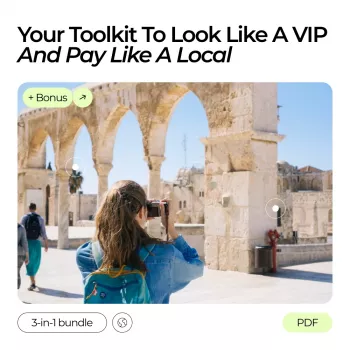
Look Like a VIP, Pay Like a Local: Luxury Travel on a Budget (With a Practical Toolkit)
Luxury travel doesn’t have to mean luxury prices. With the right timing, booking tactics, and on-the-ground habits, it’s possible to get the polished, high-end experience—without paying tourist markups. The biggest gains usually come from a handful of decisions: where you stay, how smoothly you arrive, and what you choose to “splurge” on for maximum impact. Below is a practical framework you can reuse trip after trip, plus a ready-to-use toolkit that turns good intentions into a repeatable travel system.
The VIP effect: what “luxury” really comes from
What reads as “VIP” is often less about price and more about how friction-free your day feels. A calm arrival, a great night’s sleep, and a plan that avoids long lines can make a modest-budget trip feel elevated.
- Consistency beats splurges: A smooth itinerary, smart logistics, and small upgrades often feel more luxurious than one expensive purchase.
- Convenience is the real status symbol: Direct transfers, priority timing, and friction-free check-ins elevate any trip.
- Design the day around peak moments: Spend where it shows (location, views, experiences) and save where it doesn’t (midday food, transport passes).
High-impact upgrades vs. low-visibility spending
| Travel element | Spend (VIP impact) | Save (local-smart option) |
|---|---|---|
| Hotel | Great neighborhood + strong reviews + quiet rooms | Smaller boutique properties, shoulder-season rates, free breakfast |
| Flights | Best departure/arrival times, carry-on strategy | Fare alerts, flexible dates, points where possible |
| Food | One signature meal or tasting experience | Markets, lunch specials, set menus, neighborhood cafés |
| Experiences | Guided small-group or skip-the-line tickets | Self-guided days, city passes, early entry times |
| Transport | Direct airport transfer when it prevents stress | Transit cards, walking routes, off-peak rides |
Before booking: set a “luxury budget” that protects the experience
Budget travel feels expensive when it forces bad trade-offs: unsafe areas, miserable commutes, or constant decision fatigue. A “luxury budget” is simply a budget designed to protect comfort and reduce stress.
- Choose 2–3 non-negotiables: Examples: a walkable area, great sleep, and one standout experience.
- Use a 70/20/10 split: 70% essentials (lodging/transport), 20% experiences, 10% surprise upgrades.
- Create a “stress buffer” line item: Plan for taxis, last-minute changes, or weather pivots—small costs that prevent big headaches.
One simple rule keeps spending aligned: if it reduces stress or improves comfort for multiple days (sleep, location, arrival), it usually beats a one-time splurge that only looks fancy.
Book like a local: timing and tactics that cut the price
Luxury on a budget is often won before you ever leave home. Timing, flexibility, and total-cost thinking can drop your trip cost without reducing the experience.
- Travel shoulder season: You’ll often get the same destination with fewer crowds and lower nightly rates.
- Prioritize location over stars: A well-placed 3–4 star stay can feel more premium than a cheaper, far-away 5 star.
- Compare total cost, not nightly price: Add breakfasts, resort fees, transit costs, and time lost commuting.
- Use fare alerts and calendar pricing: Identify the cheapest days to depart and return, then build around those anchors.
- Book hotels with flexible cancellation: Recheck rates and rebook if prices drop inside the free-cancellation window.
For traveler protections and up-to-date guidance, check U.S. Department of State — International Travel and general airline consumer resources from IATA before you fly.
Look like a VIP without spending like one
“VIP” is often a styling and preparedness advantage. When you look composed and you move confidently, you blend in—and that helps you avoid tourist-priced decisions.
Where to spend vs. where to save: a decision framework
A ready-made system: Your Toolkit to Look Like a VIP and Pay Like a Local
What the toolkit helps standardize
| Planning area | Common expensive mistake | Toolkit-style fix |
|---|---|---|
| Lodging selection | Choosing a cheaper hotel far from everything | Neighborhood-first filters and total-cost comparisons |
| Daily itinerary | Overbooking and paying for rushed taxis | Time-blocked days with buffer and clustering by area |
| Experiences | Paying premium for average tours | Criteria to spot value: group size, access, timing, reviews |
| Food spending | Tourist restaurants near landmarks | Local patterns: lunch specials, markets, reservation strategy |
Recommended tools (in stock)
- Your Toolkit to Look Like a VIP and Pay Like a Local – Luxury Travel on a Budget Tips
- Content That Sells Strategy Toolkit | How to Create a Content Marketing Strategy 3-in-1 Bundle (helpful for organizing trip notes, itineraries, and shareable guides if you publish travel content)
Quick-start plan: use the next 48 hours to upgrade any trip
FAQ
What’s the best way to make a trip feel luxurious without raising the budget?
Prioritize convenience and comfort: a better location, smoother arrival plan, quieter rooms, and one standout experience. Save on low-visibility costs like replaceable meals and inefficient transport.
Is it cheaper to book hotels early or last minute?
Booking early with flexible cancellation is often the safer way to get a good rate, then you can monitor and rebook if prices drop. Last-minute deals can happen, but they’re riskier in popular seasons and high-demand neighborhoods.
How do locals avoid tourist prices for food and activities?
They eat bigger meals at lunch, use markets and neighborhood cafés, and avoid restaurants right next to major landmarks. For activities, locals book timed tickets in advance and compare reviews and group sizes to spot real value.















Leave a comment