Women’s Lightweight Running Shoes: Comfort & Fit Tips
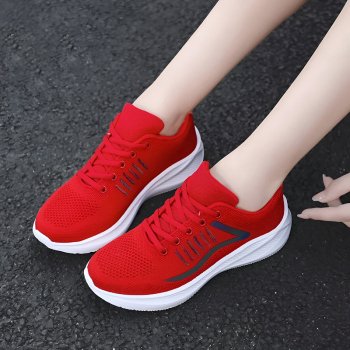
Women’s Lightweight Running Shoes: Comfort for Daily Miles and Busy Days
Lightweight running shoes can make runs feel smoother and everyday movement feel easier—especially when the fit is right and the cushioning matches the way the foot lands. Whether the goal is a few relaxed miles, treadmill sessions between meetings, or a pair that can handle school drop-offs and errands, the best lightweight trainers balance a barely-there feel with the structure needed to stay comfortable. Below are the features that matter most (weight, support, outsole grip, breathability, and sizing) plus simple checks to help choose a pair that stays comfortable from warm-ups to the rest of the day.
What “Lightweight” Should Feel Like on Foot
A good lightweight shoe usually feels easy to move in, not “thin.” The difference shows up quickly in how smoothly the foot rolls forward and how fresh the legs feel after longer wear.
- Light, flexible feel: The shoe should bend naturally at toe-off rather than fighting the stride.
- Less foot fatigue: Compared with heavier trainers, a lighter build can feel easier over long walks and easy runs (as long as support is adequate).
- Quicker transitions: Lightweight shoes often make it simpler to pick up cadence for intervals, treadmill runs, or short tempo efforts.
- Balanced structure: “Light” shouldn’t mean flimsy—heel stability and a secure midfoot still matter for comfort and confidence.
Key Comfort Features to Look For
Comfort is usually decided by how the shoe handles heat, friction, and fit changes as the foot swells slightly during activity. Small details—like the tongue padding or interior seams—often make the biggest difference after 30–60 minutes.
- Upper breathability: Mesh panels help manage heat and moisture during warmer runs or indoor workouts.
- Padded collar and tongue: Helps reduce rubbing around the ankle and pressure across the top of the foot.
- Secure midfoot: Look for lacing that tightens evenly without creating hot spots.
- Roomy toe box (without slop): Allows natural toe splay for better long-wear comfort.
- Soft interior finish: Fewer seams can reduce irritation with thin socks or sockless wear.
Quick feature checklist and what it helps with
| Feature | Why it matters | Best for |
|---|---|---|
| Breathable mesh upper | Helps airflow and reduces sweaty hotspots | Warm weather, treadmill, daily wear |
| Cushioned midsole | Absorbs impact for comfort | Easy runs, walking, standing |
| Grippy outsole | Improves traction and confidence | Sidewalks, light paths, gym floors |
| Stable heel/midfoot hold | Keeps foot aligned and reduces wobble | New runners, longer wear time |
| Flexible forefoot | Supports natural toe-off | Short runs, faster strides, all-day comfort |
Cushioning and Support: Picking the Right Feel
“Comfortable” doesn’t mean the same thing for everyone. Some feet relax into a softer ride; others feel better with a slightly firmer platform that stays steady when turning corners or walking quickly.
- Soft cushioning: Can feel plush for walking and easy runs, but overly soft foam may feel less stable on sharp turns.
- Responsive cushioning: Slightly firmer and more “snappy,” often helping quicker turnover for short tempos or faster strides.
- Neutral vs. added stability: Neutral works for many runners. If ankles tend to roll inward, a bit more structure can feel more secure.
- Heel-to-toe feel: Heel strikers often appreciate a stable heel, while midfoot/forefoot strikers may prefer a flexible forefoot that rolls smoothly.
For additional guidance on running footwear considerations, the American Academy of Podiatric Sports Medicine (AAPSM) offers helpful resources focused on foot health and sport activity.
Outsole Grip and Durability for Real-World Routes
Lightweight shoes still need dependable traction and smart rubber placement. Sidewalks, painted crosswalks, and gym floors all ask different things from the outsole, and durability depends heavily on where rubber is reinforced.
- Road and sidewalk focus: Look for rubber coverage in high-wear zones (typically heel and forefoot) to extend life.
- Wet surfaces: Textured rubber and multi-directional tread can improve confidence on damp pavement.
- Gym use: Flatter tread patterns often feel more stable for light strength training, warm-ups, and cardio machines.
- Rotation tip: Alternating pairs can help midsoles rebound between runs and may reduce wear if running frequently.
For practical training tips that support a consistent running or walking routine, the American Council on Exercise (ACE) provides a wide range of workout guidance.
Fit and Sizing: Simple Checks Before the First Run
If foot pain shows up suddenly or worsens, it can help to review medical guidance on symptoms and next steps. NIH MedlinePlus information on foot pain is a useful starting point for understanding common issues and when to seek care.
Easy Ways to Use Lightweight Trainers Beyond Running
A Budget-Friendly Option to Consider
If the goal is an everyday pair that can handle walking, casual runs, and busy schedules, Women’s Lightweight Running Shoes offer an accessible price point with a light feel designed for comfort.
Small add-on for busy training weeks
For warm-weather routines where sweat, sun, and frequent showers can leave skin feeling stressed, consider pairing your active schedule with a simple care plan like the Summer Skincare Secrets Bundle | 3-in-1 Digital Guides for a Summer Skincare Routine.
FAQ
Are lightweight running shoes good for beginners?
Yes—when the fit is secure and the shoe has enough cushioning and heel stability for comfortable easy runs. Start with shorter sessions to confirm comfort before increasing time or distance.
How do lightweight shoes differ from walking shoes?
Lightweight running shoes often prioritize smooth toe-off and a more responsive ride, while walking shoes may feel stiffer and tuned for a steady stride. Many lightweight trainers can work well for both walking and running if the fit feels stable.
How long should running shoes last if used for running and daily wear?
It depends on body weight, surfaces, and frequency, but outsole traction and midsole “flattening” are the big indicators. Replace them when tread is worn down, cushioning feels dead, or new aches show up during normal activity.













Leave a comment