Sleep Reset: 7-Night Guided Audio for Deeper Sleep
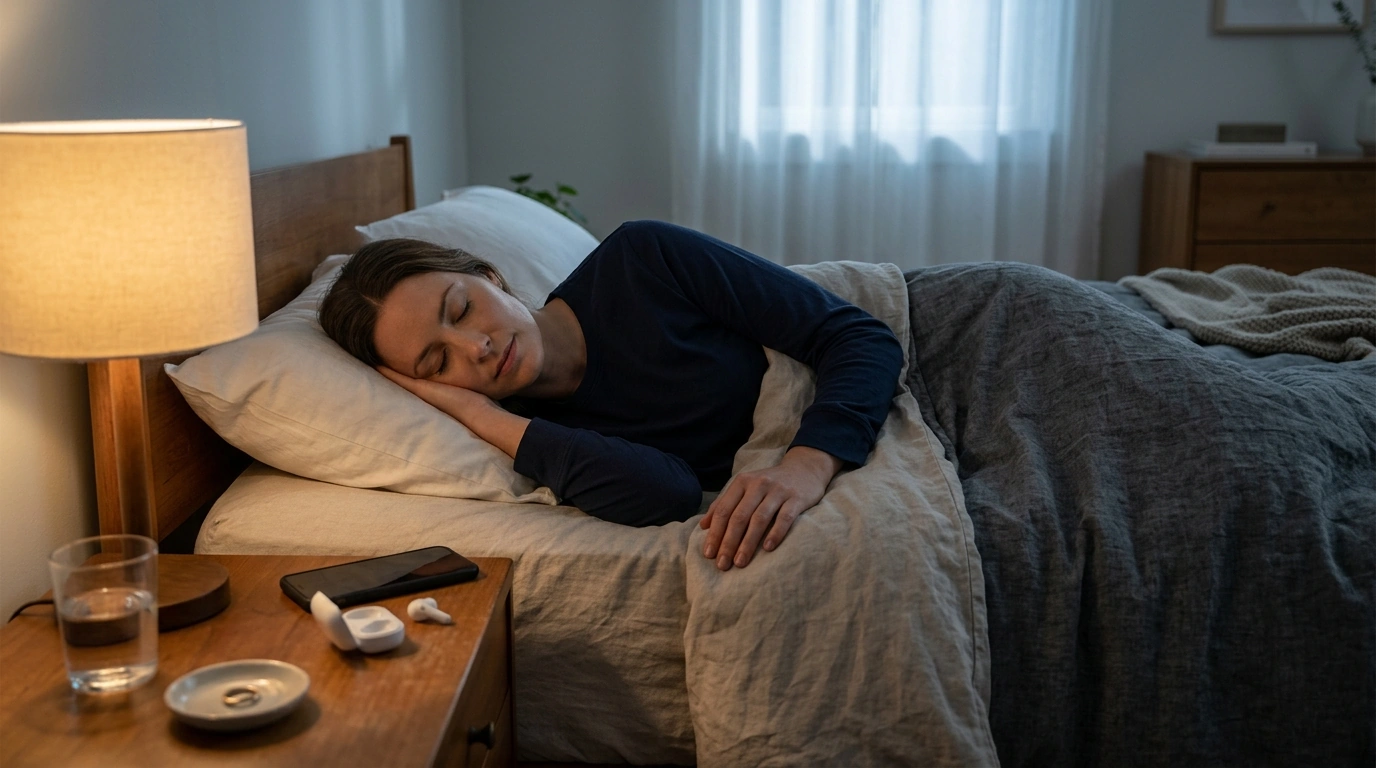
Sleep Reset: A 7-Day Guided Audio Plan for Calmer Nights
Falling asleep quickly and staying asleep can feel impossible when the mind won’t switch off. Sleep Reset is a 7-day guided audio course designed to support deeper relaxation at bedtime through structured meditations that help release tension, quiet mental chatter, and build a steadier nightly routine. The goal isn’t to “force” sleep—it’s to make nighttime feel less like a mental battleground and more like a predictable transition into rest.
If you’re looking for a non-stimulating alternative to scrolling, TV, or tossing and turning in silence, a guided sleep audio routine can give your brain something gentle to follow while the body unwinds.
Who this is for
- Restless nights marked by racing thoughts, worry loops, or difficulty “powering down”
- Light sleepers who wake often and struggle to return to sleep
- Anyone who wants a simple nightly structure without complicated tracking or equipment
- People looking for a non-stimulating wind-down alternative to scrolling or TV
How guided sleep audio supports deeper relaxation
- Creates a consistent cue for the body to transition into rest through repetition and routine
- Directs attention away from internal noise with calming narration and paced guidance
- Encourages slower breathing and muscle release, which can reduce pre-sleep arousal
- Helps interrupt late-night rumination by giving the mind a gentle “track” to follow
This kind of support pairs well with proven healthy sleep habits like keeping a consistent schedule and limiting bright light at night. For practical, research-aligned basics, the American Academy of Sleep Medicine’s guidance on healthy sleep habits is a solid reference.
What to expect from the 7-day format
- A short, manageable daily commitment intended to fit into a bedtime routine
- Progressive familiarity: the process often feels easier as the days build
- A framework that can be repeated after day 7 to reinforce the habit
- Designed for nights when sleep feels fragile—supportive rather than demanding
A simple 7-night rhythm
| Day | Focus | Suggested use |
|---|---|---|
| 1 | Settle the nervous system | Listen once at lights-out; keep the room dim |
| 2 | Release physical tension | Add a brief stretch before starting |
| 3 | Quiet the mind | Use when thoughts feel loud or repetitive |
| 4 | Breath and body awareness | Pair with slow nasal breathing if comfortable |
| 5 | Letting go of the day | Do a quick “tomorrow list” before listening |
| 6 | Smoother return to sleep | Replay if waking during the night |
| 7 | Build a repeatable routine | Choose the most effective night to repeat |
Setting up a sleep-friendly listening routine
- Keep volume low and steady to avoid sudden changes that pull attention back to wakefulness
- Use a sleep timer or device setting to prevent bright screens or notifications
- Choose a comfortable position before starting to reduce fidgeting
- Keep the environment cool, dark, and quiet; consider white noise if needed
- Aim for similar timing nightly so the routine becomes a predictable cue
One small upgrade that helps many people: set everything up before you’re tired—audio queued, screen dimmed, charger plugged in—so bedtime doesn’t turn into a mini task list.
Common obstacles—and what to try instead
- “I can’t focus on the narration.” Try allowing attention to drift; gentle reorientation is part of the practice.
- “I fall asleep and miss it.” That’s a win—use it as a sleep cue rather than a lesson to complete.
- “I wake up at 3 a.m.” Consider replaying the audio at low volume and keeping lights off.
- “My body feels wired.” Add a short pre-audio buffer: warm shower, light reading, or slow breathing.
If sleep trouble is frequent, it can also help to learn what insomnia is (and what tends to keep it going). The National Institute of Neurological Disorders and Stroke provides a clear overview of insomnia, including common symptoms and contributing factors.
Product details at a glance
If you want a straightforward, ready-to-play plan, start here: Sleep Reset: Guided Audio Course for Restful Nights – 7-Day Sleep Meditation, Deep Relaxation, Insomnia Relief.
For a broader evening wind-down that supports “quiet time” away from screens, pairing audio with simple self-care can make bedtime feel more intentional. A low-effort option is a set routine for skin and comfort: Summer Skincare Secrets Bundle | 3-in-1 Digital Guides for a Summer Skincare Routine.
Quick comparison: Sleep Reset vs. common alternatives
| Option | What it involves | Best for | Potential drawback |
|---|---|---|---|
| Guided sleep audio course | Listen and follow prompts | Racing thoughts, building a routine | Needs consistency to feel natural |
| Sleep hygiene changes | Adjust light, caffeine, schedule | Foundational support | Takes time; not always enough alone |
| Music/ambient sound | Background audio only | Masking noise, calming atmosphere | May not redirect rumination |
| Supplements/medication | Ingested aids | Short-term support in some cases | Side effects; discuss with a clinician |
When to get extra support
If sleep issues have become chronic, CBT-I (Cognitive Behavioral Therapy for Insomnia) is widely considered a first-line approach. The Sleep Foundation’s explainer on CBT-I outlines what it is and why it’s often effective.
FAQ
How long should a sleep meditation take before it starts helping?
Some people feel calmer on the first night, while the biggest benefits often build through repetition over a week. If one session works especially well, repeat it after day 7 to reinforce the cue your body responds to.
Can guided audio help with waking up in the middle of the night?
Yes—use it at low volume without turning on bright lights, and treat it as a gentle track that reduces rumination. Many people find it easier to return to sleep when their attention has something steady to follow.
Is this a replacement for treatment for chronic insomnia?
No. It’s a supportive tool, but persistent insomnia often benefits from professional help, and CBT-I is commonly recommended for long-term sleep difficulty.
















Leave a comment