Kidney-Friendly Balanced Diet: Sodium, Protein & Labs
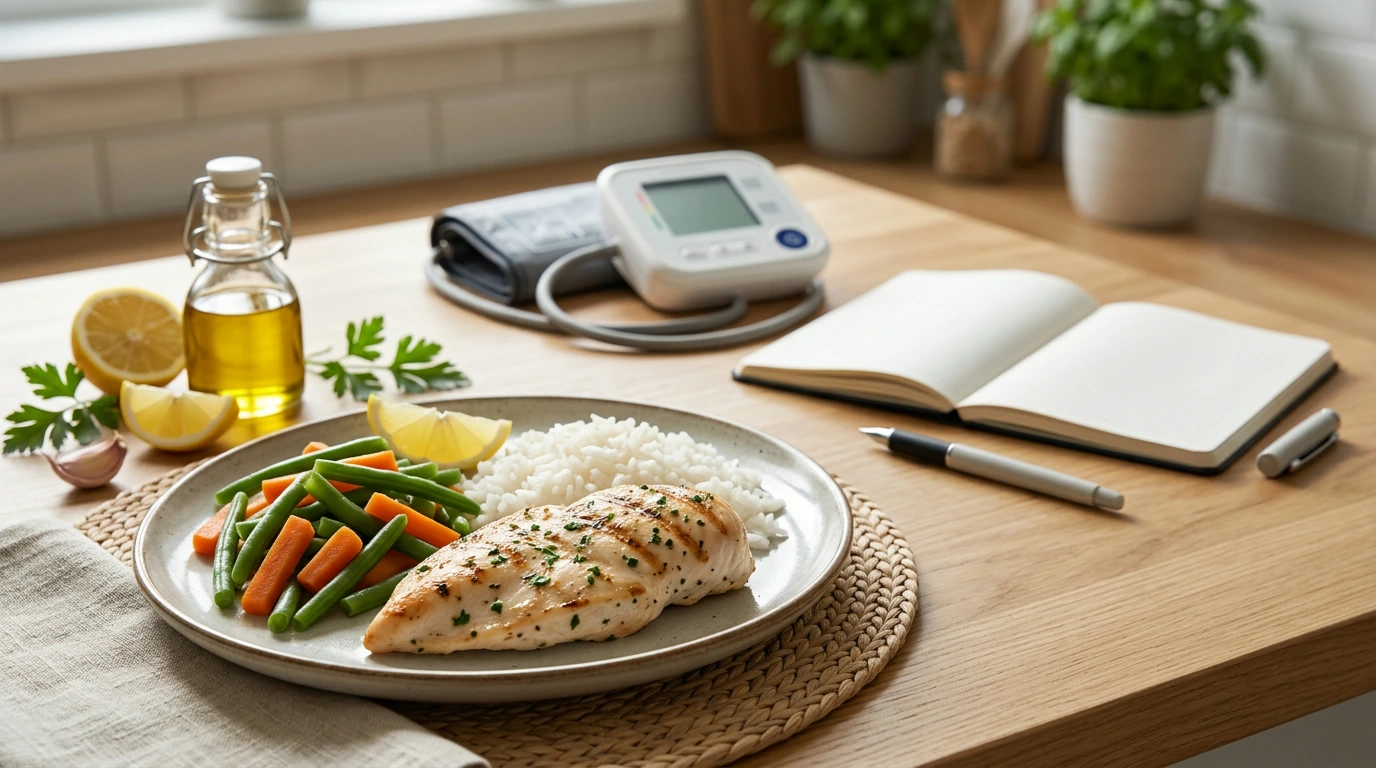
A kidney-friendly “balanced” diet plan: what it really means
A balanced eating routine for kidney disease management isn’t a single menu that works for everyone. Your ideal targets depend on your chronic kidney disease (CKD) stage, whether you’re on dialysis, blood pressure and diabetes status, and recent labs such as eGFR, potassium, phosphorus, bicarbonate, and albumin. Medications matter too—especially diuretics, ACE inhibitors/ARBs, phosphate binders, and anything that shifts potassium.
Most kidney-focused meal plans aim to: (1) support enough calories to maintain strength and prevent unwanted weight loss, (2) avoid excess sodium to reduce swelling and help blood pressure, (3) keep protein in the “just right” range, and (4) adjust potassium and phosphorus only when labs call for it. For education from national organizations, see the National Kidney Foundation and NIDDK guidance on eating with CKD.
Common nutrition focus areas (confirm personal targets with your clinician)
| Focus area | Why it matters | Practical ways to manage |
|---|---|---|
| Sodium | Helps control blood pressure and fluid retention | Choose no-salt-added items, rinse canned foods, cook at home, use herbs/citrus instead of salty seasonings |
| Protein | Too much can increase waste burden; too little may reduce strength | Use measured portions, prioritize high-quality sources, spread protein across meals |
| Potassium | High or low levels can affect heart rhythm | Adjust portions of high-potassium foods, select lower-potassium produce, follow lab-guided limits |
| Phosphorus | Can weaken bones and affect blood vessels when high | Limit phosphate additives, choose lower-phosphorus staples, use binders if prescribed |
| Fluids | May need adjustment with swelling, heart issues, or dialysis | Track beverages, use smaller cups, manage thirst with ice chips or sour flavors if allowed |
Build a kidney-friendly plate without overcomplicating meals
Instead of trying to memorize long “yes/no” lists, use a simple plate structure and adjust the details based on your lab goals. A practical default is: a measured protein portion, a kidney-appropriate carbohydrate (to keep energy up), and non-starchy vegetables as allowed.
1) Start with your plate structure
- Carb base (energy support): rice, pasta, bread, tortillas, or oats. Adequate calories can reduce muscle breakdown when appetite is low.
- Measured protein: keep portions consistent so you don’t accidentally create “double protein” meals (for example, meat plus a protein shake) unless your clinician recommends it.
- Vegetables (as allowed): choose cooking methods that don’t rely on salt—roasting, sautéing in oil, steaming, or grilling.
2) Choose heart-supportive fats when they fit your goals
Olive oil and avocado oil are easy upgrades for flavor and satiety. Unsalted nuts and seeds can be helpful in small portions if your potassium and phosphorus targets allow them.
3) Make flavor the “default,” not salt
Build taste with garlic, onion, rosemary, thyme, smoked paprika, black pepper, lemon/lime, and vinegar. Skip seasoning packets and “instant” sauce mixes that often hide a lot of sodium and phosphate additives.
Dining-out swap list
- Grilled, baked, or roasted instead of fried.
- Ask for sauces and dressings on the side.
- Request “no added salt” when possible.
- Avoid processed meats (bacon, deli meats, sausages), which tend to be high in sodium and additives.
Shopping and label-reading: the fastest wins for sodium and phosphorus
Many people see the biggest improvements when they focus less on “perfect” meals and more on reducing hidden sodium and additive phosphorus from packaged and restaurant foods.
- Check the serving size first so the sodium number is meaningful.
- Scan sodium per serving and compare brands—differences can be dramatic.
- Read ingredients for phosphate additives: look for “phos-” (for example, phosphoric acid, sodium phosphate).
- Choose no-salt-added or low-sodium staples: broth, canned beans/vegetables, tomato products. Rinse canned foods to reduce sodium.
- Limit processed proteins: deli meats, jerky, frozen breaded items, and “enhanced” meats injected with saline solutions.
When you need a quick nutrition lookup to compare products, USDA FoodData Central can help (phosphorus isn’t listed for every food, but sodium and potassium are often available).
Sample day framework (adjust portions to your lab goals and appetite)
Use this framework as a repeatable rhythm. Keeping 6–10 “safe” meals on rotation during busy weeks can make consistency easier, then you can expand variety once tracking feels simple.
Breakfast ideas
- Oatmeal made with water, topped with cinnamon and a portion of berries.
- Toast with egg whites or a measured portion of eggs and a low-sodium spread.
- Coffee or tea as allowed within your fluid guidance.
Lunch ideas
Dinner ideas
Snack ideas
Tracking that actually helps: labs, symptoms, and weekly checklists
Using structured tools to stay consistent
- A Balanced Diet Plan for Kidney Disease Management: 3-in-1 Bundle of Guides, eBooks & Checklists (digital bundle designed for practical execution with templates and tracking support)
- Content That Sells Strategy Toolkit | How to Create a Content Marketing Strategy 3-in-1 Bundle (useful for educators, coaches, or caregivers building simple weekly routines and printable-style systems)
FAQ
Do all people with kidney disease need to limit potassium and phosphorus?
No—limits depend on labs, CKD stage, dialysis status, and medications. Many people focus first on reducing phosphorus additives and adjusting only the specific foods that are driving high lab values, with guidance from a clinician or renal dietitian.
How much protein is appropriate for kidney disease management?
Protein needs are individualized, and targets often differ for non-dialysis CKD versus dialysis. Measured portions and spreading protein across meals help you meet goals without accidentally going too high or too low.
What are quick ways to cut sodium without making food taste bland?
Cook more meals at home, skip seasoning packets, and build flavor with lemon or vinegar, herbs, spices, garlic, and onion. Choose “no salt added” staples and compare sodium per serving on labels to find lower-sodium brands.















Leave a comment